

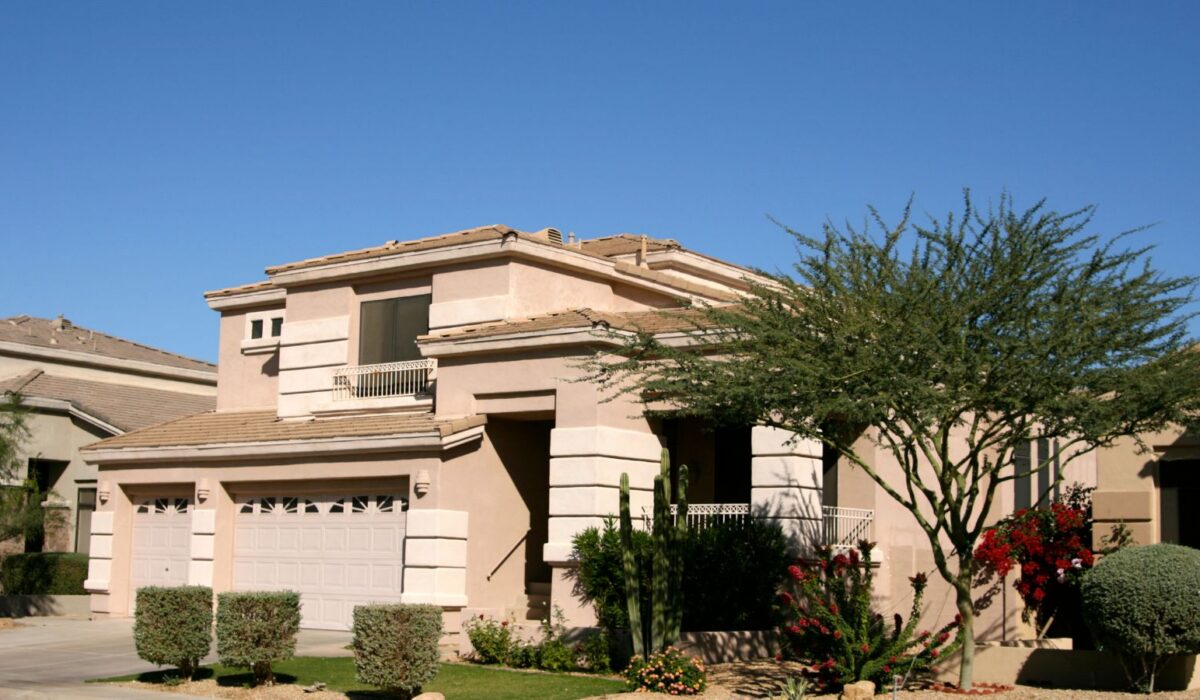
Every year, thousands of families make the same discovery: the Texas Hill Country offers what urban and suburban life in Austin or San Antonio can’t — land, privacy, a slower pace, and the space to build something genuinely your own. Driving north out of San Antonio on I-10 or Highway 281, or west out of Austin toward Fredericksburg or Wimberley, you cross into a different kind of Texas. The prices are different, the landscape is different, and the possibilities for what you can build are different in the best possible way. Hill Country custom homes have become the defining aspiration for a generation of Texas buyers who’ve decided that ownership of meaningful land is worth the commute, the planning, and the investment.
At Quality Hill Country Homes, we’ve built custom homes for buyers from both metros, and we know the questions they arrive with, the surprises that catch them off guard, and the decisions that make the biggest difference in the finished result. This guide is written for that buyer — the one who is serious about building in the Hill Country and wants to understand the full picture before committing.
Why Austin and San Antonio Buyers Are Coming to the Hill Country
The reasons are both financial and personal. On the financial side, Hill Country land — while it has appreciated considerably — still offers dramatically more acreage per dollar than comparable land closer to either metro. A buyer priced out of a half-acre lot in Austin’s suburbs can often acquire five to twenty acres in Comal, Kendall, Hays, or Kerr County for a comparable investment. That land comes with the ability to build a home sized and designed exactly to their specifications, with room for outbuildings, gardens, horses, or simply the kind of breathing room that has become increasingly rare inside the metro boundary.
On the personal side, the Hill Country lifestyle is genuinely compelling. Dark skies, seasonal wildflowers, swimming holes, wine country, small-town communities with strong local character, and a landscape that rewards slow, attentive living — these are not marketing abstractions. They’re the reasons people who build out here rarely want to go back.
What the Typical Hill Country Custom Home Buyer Looks Like in 2026
The Hill Country custom home buyer of 2026 is not a single profile, but there are common threads. Many are in their 40s to 60s, at a life stage where they have both the financial capacity to build at a quality level and the life experience to know exactly what they want from a home and a property. A significant number are remote workers or business owners whose professional lives are no longer tied to a specific metro address. Many have children heading into or through college — a life stage that creates both the financial headroom for a significant land purchase and a sense that the family home is about to change anyway, so why not change it on your own terms.
Many Hill Country custom home buyers from the metros arrive having done significant research. They’ve visited the area multiple times, they have a general sense of which communities appeal to them, and they’ve often already been looking at land for months or years before reaching out to a builder. What they frequently lack is a clear understanding of the full scope of costs, the realistic timeline, the site-specific considerations that affect both design and budget, and the practical differences between communities that look similar on a map but feel quite different on the ground.
The Communities Drawing the Most Buyers From Austin and San Antonio
Not all Hill Country communities attract buyers equally from each metro. San Antonio buyers tend to gravitate toward the communities closest to the I-10 and Highway 281 corridors — Boerne, Spring Branch, and Canyon Lake most prominently. Austin buyers tend to favor communities along the Highway 290 and Highway 12 corridors — Wimberley, Fredericksburg, Dripping Springs, and Johnson City.
Of the communities we serve most actively, a few stand out as particularly popular with metro buyers right now:
Boerne is a perennial favorite for San Antonio buyers who want Hill Country character without sacrificing access to urban amenities. Its established school district, vibrant downtown, and easy 30-minute drive to San Antonio make it the most “accessible” Hill Country community in practical terms. Visit our Boerne custom home builder page to learn more about building in Kendall County.
Spring Branch appeals to buyers who want more land for their dollar and a genuinely rural experience without going too far north. Comal County’s streamlined permitting process and relatively affordable acreage compared to Kendall County make Spring Branch an increasingly attractive option. See our Spring Branch custom home builder page for details on building in this area.
Canyon Lake draws buyers who want the recreational dimension of lakeside living layered on top of the Hill Country aesthetic. It’s particularly popular with buyers looking for a home that doubles as a vacation retreat or income-generating short-term rental. Our Canyon Lake custom home builder page covers what to expect in this market.
Wimberley consistently attracts Austin buyers who value the arts community, the river access, and the distinctly independent character of the town. Its natural beauty is extraordinary, and the land reflects that — both in character and in price. Our Wimberley page covers both custom home and barndominium options in the area.
What Metro Buyers Are Building: Design Trends in Hill Country Custom Homes
Buyers arriving from Austin tend to bring a design sensibility shaped by that city’s appreciation for contemporary architecture — clean lines, generous glazing, indoor-outdoor connection, and material combinations that feel current without being trendy. The best Hill Country custom homes for this buyer profile blend those contemporary instincts with regional materials and traditions: limestone and cedar alongside steel and glass, covered outdoor living that functions as a true room, and a design that foregrounds the landscape rather than competing with it.
San Antonio buyers often gravitate toward designs that feel more traditionally rooted — warm palettes, stone-dominant exteriors, pitched rooflines, and interiors that prioritize comfort and family living over architectural drama. That said, the influence of contemporary Hill Country design is broad enough that the lines between these tendencies have blurred considerably. Many clients arrive with inspiration drawn from both directions and land on a design that feels distinctly personal.
Across both buyer groups, a few consistent priorities emerge in 2026 Hill Country custom homes: serious outdoor living spaces that extend the home’s usable square footage into the landscape, primary bedroom suites that function as genuine retreats, well-equipped utility and mudroom spaces that serve the practical demands of rural life, and energy-efficient building systems that reduce the ongoing cost of living on a property that may be farther from service providers than a suburban home. For the HVAC component specifically, working with a contractor who understands high-performance residential systems is essential — Gabe’s Priority AC serves buyers throughout the Hill Country and San Antonio region and brings genuine new construction expertise to the table.
The Realities of the Hill Country Custom Home Build
Metro buyers sometimes arrive with expectations shaped by urban or suburban construction experiences that don’t fully translate to the Hill Country context. A few realities worth understanding upfront:
Site work costs can be significant. Hill Country land is beautiful precisely because of its topography — and that topography adds cost. Rock excavation, slope management, drainage engineering, and road or driveway construction are real budget items on rural Hill Country properties that don’t exist on flat suburban lots.
Utilities require planning and budget. Water wells, septic systems, propane, and bringing electrical service to a rural property are all line items that need to be accounted for separately from the construction contract. Combined, they can add $50,000 to $100,000 or more to a rural project budget.
Timeline is longer than in metro markets. A quality Hill Country custom home build takes 12 to 18 months from design finalization to move-in. Permitting, material lead times, subcontractor scheduling, and the occasional weather delay are all factors. Build this timeline into your planning — particularly if you’re managing a home sale in the metro alongside the build.
Local expertise matters. A builder who knows the Hill Country — its terrain, its county permitting systems, its trade community, and its design traditions — will deliver a better result than one who doesn’t, regardless of how good their portfolio looks in other markets. Our Hill Country custom home builder page and our About page give a clear picture of our local roots and how we work.
Frequently Asked Questions: Hill Country Custom Homes for Metro Buyers
Do I need to live in the Hill Country to manage a custom home build there?
No — many of our clients are building from Austin or San Antonio and visit the site periodically throughout the process. A good builder keeps you informed through regular updates, photos, and video walkthroughs so you’re never in the dark about progress, even when you can’t visit in person. That said, being available for prompt decisions when they’re needed — particularly during the design and selections phase — makes the process smoother for everyone.
Should I buy land before engaging a builder?
You don’t have to, but it helps. Having land in hand lets your builder evaluate the specific site conditions, estimate site work costs accurately, and begin the design process with a real property to work with. If you’re still looking at land, engaging a builder early gives you a construction-informed perspective during your land search — which can save you from purchasing a parcel with hidden cost drivers.
What’s the biggest mistake buyers from Austin and San Antonio make?
Underestimating the full cost of a rural build. The construction contract is one component — land, site work, utilities, design fees, landscaping, and construction loan carrying costs all add meaningful dollars to the total investment. Always build a complete project budget before committing to a land purchase or construction contract.
Ready to Build Your Hill Country Home?
Whether you’re driving out from San Antonio on a Saturday to look at land or you’ve already got a parcel and a vision in your head, Quality Hill Country Homes is ready to be your partner in making it real. We serve buyers throughout the Hill Country corridor, including Spring Branch, Boerne, Canyon Lake, Wimberley, and beyond.
Review our full range of services and visit our FAQ page for answers to common questions.
Contact Quality Hill Country Homes today to start planning your Hill Country custom home.