

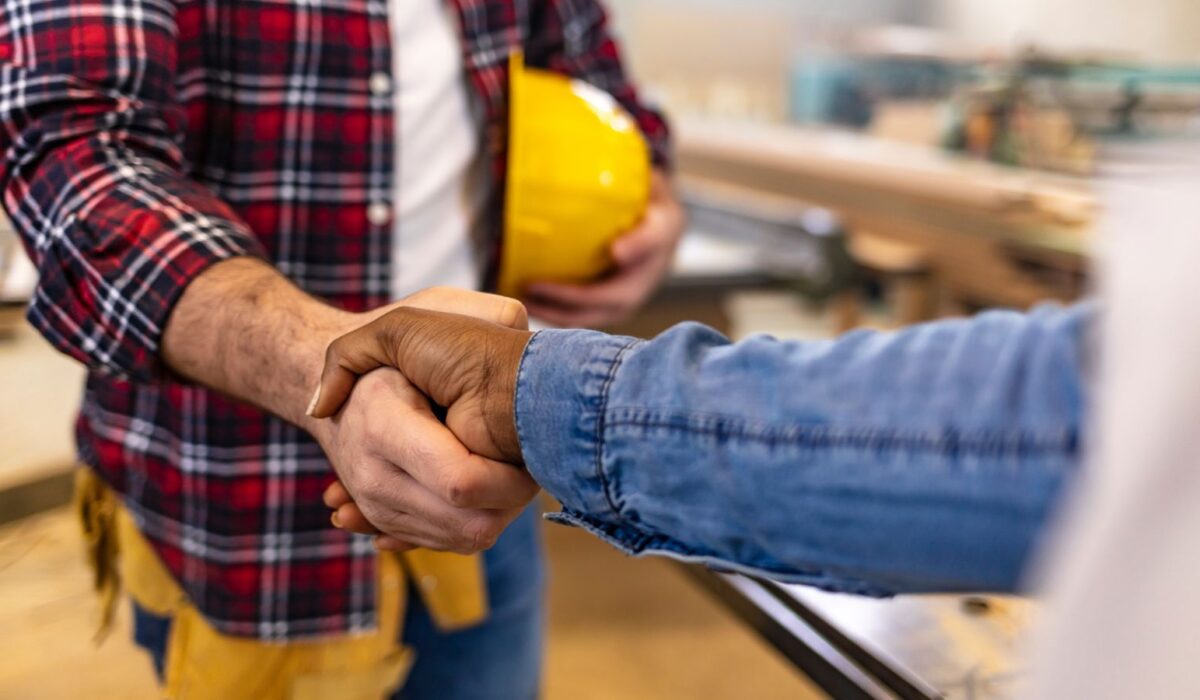
Building a home is one of the largest investments most people will ever make — and in the Texas Hill Country, it’s an investment with extraordinary potential. The land is beautiful, the communities are strong, and the lifestyle is unlike anywhere else in Texas. But to get from vision to finished home without stress, delays, or regret, one decision matters more than any other: who you choose a home builder to partner with for the job.
There are a lot of builders operating in and around the Hill Country, and the differences between them — in experience, communication, craftsmanship, and accountability — are enormous. This guide is designed to give you the tools and questions to evaluate your options with confidence, so you can make a decision you’ll be proud of for decades to come.
At Quality Hill Country Homes, we believe an informed client is a great client. Whether you choose us or someone else, we want you to have the framework to make a smart choice. And if you do choose us, we think this guide will also show you why we stand up well to every test it describes.
Why Choosing the Right Builder Matters So Much
Unlike buying an existing home, where you can see and inspect what you’re getting, building a custom home requires a relationship built almost entirely on trust — trust that your builder will execute the plans as specified, communicate honestly when challenges arise, stay on schedule and budget, and stand behind their work after move-in. A bad builder choice doesn’t just cost money; it can cost months of your life, enormous stress, and in the worst cases, legal conflict.
In the Hill Country specifically, the choice of builder also involves a high degree of regional knowledge. Caliche soil conditions, county permitting requirements, septic system regulations, water well considerations, and the particular aesthetic sensibilities of the region all require a builder who has operated here long enough to navigate them fluently. A builder with a strong track record in Austin or San Antonio but limited Hill Country experience may be a less informed guide than one who has built dozens of homes in Kerr, Gillespie, or Bandera counties.
Step 1: Start With Credentials and Licensing
In Texas, residential contractors are not required to hold a state-issued general contractor’s license — which makes it even more important for homeowners to do their own due diligence on builder credentials. Here’s what to verify before you go any further in the evaluation process:
Business registration: The builder should be a properly registered Texas business entity — an LLC, corporation, or partnership — with a verifiable business history. Check the Texas Secretary of State’s business search to confirm the company is in good standing.
Insurance: Any reputable builder should carry general liability insurance and workers’ compensation coverage. Ask for certificates of insurance and verify that coverage is current. If a builder is reluctant to provide this documentation, walk away.
Professional memberships: Membership in organizations like the Texas Association of Builders or the National Association of Home Builders (NAHB) signals a commitment to professional standards and continuing education. Look for these affiliations when evaluating any Hill Country home builder.
Better Business Bureau (BBB) rating: A strong BBB rating and a clean complaint history are good indicators of how a builder treats their clients. A pattern of unresolved complaints is a serious red flag.
Specialty credentials: If you’re building a kitchen-heavy remodel, look for builders affiliated with the National Kitchen & Bath Association (NKBA). If energy efficiency is important, ask about green building certifications or familiarity with energy code compliance.
Step 2: Review Their Portfolio
A builder’s portfolio is their most direct communication about what they’re capable of. Request to see completed projects that are similar in scope, style, and budget to what you’re planning. Pay attention to the level of finish detail — the precision of tile work, the quality of cabinetry installation, the cleanness of transitions between materials. These details reveal craftsmanship far more honestly than a marketing brochure or website photos.
Platforms like Houzz are excellent for reviewing builder portfolios, because the project photos are typically accompanied by context about the scope of work and, often, client reviews. You can view the Quality Hill Country Homes portfolio directly on our Houzz profile.
If possible, ask to visit a completed project in person. Seeing a finished home with fresh eyes — and ideally speaking with the homeowners who live there — gives you information that photos simply cannot convey.
Step 3: Talk to Past Clients
Reference checks are one of the most underutilized tools in the home builder evaluation process. Most homeowners feel awkward asking for references, but any reputable builder should not only be willing to provide them but happy to do so. Here are some specific questions to ask previous clients:
Did the project come in on time and within budget? If not, how did the builder handle the overrun or delay? How was communication throughout the project — were you kept informed, or did you feel like you had to chase the builder for updates? Did you encounter any quality issues after move-in, and how responsive was the builder in addressing them? Would you hire them again?
The answers to these questions will tell you far more than any conversation with the builder directly.
Step 4: Evaluate Communication Style and Transparency
Building a custom home involves hundreds of decisions, frequent coordination challenges, and the inevitable surprises that come with any complex construction project. How your builder handles communication — both the routine updates and the difficult conversations — will determine whether your build experience is rewarding or exhausting.
In your initial consultations, pay attention to how the builder listens. Do they ask thoughtful questions about your goals and priorities, or do they jump straight to what they want to build? Do they explain things clearly and patiently, or do they use jargon to obscure information? Are they transparent about potential challenges on your site or with your design, or do they tell you everything is perfect and sign-off-ready when it clearly isn’t?
Ask explicitly about their communication process: How often will you receive updates? Who is your primary point of contact? What is the process for documenting change orders? How are disagreements or concerns addressed? A builder who has clear, systematic answers to these questions has likely invested in building a professional operation — not just a construction crew.
Step 5: Understand the Contract
Before you sign anything, make sure you understand exactly what the contract commits both parties to. A quality builder’s contract should clearly specify the scope of work and specifications, the project timeline with milestone dates, the payment schedule and what triggers each payment, the change order process and documentation requirements, warranty coverage on workmanship and materials, and terms for dispute resolution.
If anything in the contract is vague, ask for clarification in writing. Be cautious of contracts that give the builder wide latitude to make substitutions or changes without your approval, or that limit your recourse in case of disputes. It may be worth having a real estate attorney review the contract before you sign — particularly for large, complex projects.
Step 6: Compare Bids Carefully
If you’re soliciting bids from multiple builders, resist the temptation to simply choose the lowest number. A significantly lower bid often reflects one of three things: a less experienced builder who doesn’t fully understand the scope, a bid that excludes items other builders have included, or a builder who plans to make up the difference through change orders later. All three are red flags.
Instead, compare bids line by line — make sure each bid covers the same scope of work, the same specifications, and the same allowances for selections like flooring, cabinetry, and fixtures. Ask each builder to explain any areas where their bid differs significantly from others. The goal isn’t the lowest price; it’s the best value — quality work, delivered reliably, at a fair and transparent price.
What Makes a Great Hill Country Builder Specifically
Beyond the general criteria above, the Texas Hill Country context demands a few additional qualities from your builder:
Regional material knowledge: The best Hill Country builders have deep relationships with local limestone quarries, cedar mills, and regional suppliers. They know which materials hold up well in the Hill Country climate and which fall short.
Familiarity with county regulations: Building across the patchwork of Hill Country county jurisdictions requires specific knowledge of permitting requirements, septic regulations, water well setbacks, and floodplain rules that vary from county to county. An experienced local builder navigates these seamlessly.
Site-sensitive design thinking: The best Hill Country builders think about the land as carefully as the structure. They’ll consider drainage, views, sun angles, existing trees, and natural topography when discussing where and how to position a home — not just hand you a plan and start grading.
You can learn more about our approach to each of these dimensions on our About page and across our service pages.
Frequently Asked Questions About Choosing a Home Builder in the Hill Country
How many builders should I get bids from?
Getting bids from two to four builders is generally sufficient. More than that creates diminishing returns and significant time investment — and the best builders are often selective about the projects they bid. Focus on quality of the evaluation, not volume of bids.
What questions should I ask a builder in the first meeting?
Ask how many projects they’re currently managing, who will be your primary point of contact during construction, how they handle change orders, what their warranty covers and for how long, and whether you can speak with past clients. Their answers — and how they deliver them — tell you a great deal.
Is it a red flag if a builder asks for a large upfront deposit?
A reasonable initial deposit to secure scheduling and begin design work is normal — typically 5 to 10 percent of the project value. A large upfront payment before any work has begun or plans have been finalized is a red flag. Payment schedules should be tied to project milestones, not the builder’s cash flow needs.
Should I hire a separate project manager or construction supervisor to oversee my builder?
For most residential projects, this isn’t necessary if you’ve selected a reputable builder and have a clear contract in place. If you’re managing a very large, complex project remotely and won’t be able to visit regularly, an owner’s representative can provide additional oversight — but it adds cost and can complicate the builder relationship if not managed carefully.
Choose a Home Builder You Can Trust — Choose Quality Hill Country Homes
We’ve laid out every criterion in this guide with full confidence, because Quality Hill Country Homes stands up to every one of them. We’re locally rooted, professionally credentialed, deeply experienced in Hill Country construction, and committed to the kind of transparent, communicative builder-client relationship that makes the construction process what it should be — an exciting journey toward a home you’ll love.
Check out our FAQ page for more common questions, or reach out directly to start a conversation about your project.
Contact Quality Hill Country Homes today to schedule your consultation and discover why so many Hill Country homeowners have trusted us with the most important project of their lives.