

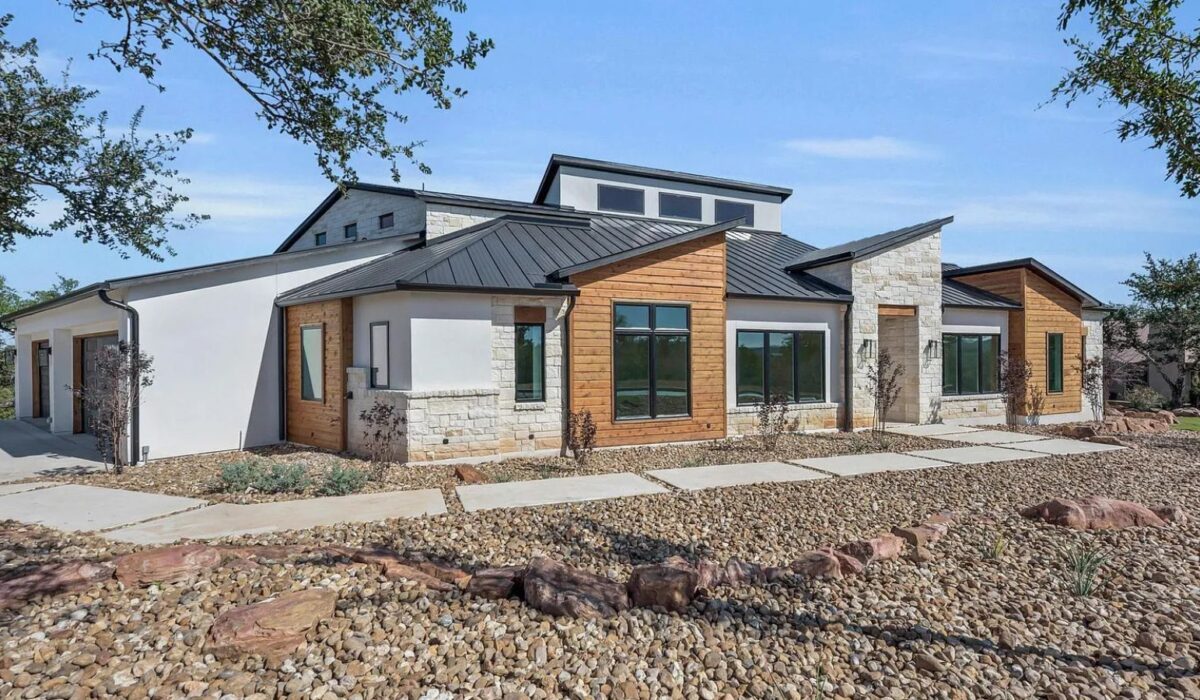
Building a home from the ground up is one of the most exciting — and most significant — investments you’ll ever make. When you choose to do it in the Texas Hill Country, you’re not just building a house; you’re planting roots in one of the most beautiful and sought-after regions in the entire state. But the process can also feel overwhelming if you don’t know what to expect. That’s where experienced custom home builders make all the difference.
At Quality Hill Country Homes, we’ve guided countless families through every phase of the custom build journey — from choosing a lot to handing over the keys. This guide walks you through exactly what the process looks like, what decisions you’ll need to make, and how to set yourself up for a smooth, rewarding experience.
Why the Texas Hill Country Is One of the Best Places to Build a Custom Home
The Texas Hill Country — stretching across Kerr, Gillespie, Blanco, Bandera, and surrounding counties — has become one of the most desirable places to live in Texas. Rolling limestone hills, spring-fed rivers, wide-open skies, and a slower pace of life draw people from Austin, San Antonio, Houston, and beyond. The region has also seen strong, consistent growth in property values, making it a smart financial decision as well as a personal one.
Working with local custom home builders who know the land, the climate, and the local building codes is essential. The Hill Country presents unique construction considerations — from caliche soil and rock-dense terrain to seasonal flooding and the need for energy-efficient design in the Texas heat. A builder who knows this region inside and out will save you time, money, and headaches throughout the process.
According to the National Association of Home Builders (NAHB), custom homes account for a significant share of new residential construction each year — and for good reason. When you build custom, you get a home designed around your life, not someone else’s floor plan.
Step 1: Finding the Right Custom Home Builder
The single most important decision you’ll make in this process is selecting your builder. Not all custom home builders are the same, and in a specialized market like the Hill Country, local expertise matters enormously. Look for a builder who is licensed and insured in Texas, has a verifiable portfolio of completed projects in the region, maintains memberships with professional organizations like the Texas Association of Builders or NAHB, and has strong reviews across platforms like Google, Houzz, and the Better Business Bureau.
Once you’ve identified potential custom home builders, schedule consultations. This is your opportunity to assess communication style, transparency about pricing, and overall fit. You’ll be working closely with your builder for many months, so trust and open dialogue are non-negotiable.
Step 2: Selecting Your Land
If you don’t already own a lot, land selection is typically your next step. Your builder can be an invaluable partner here — helping you evaluate a property for slope, drainage, road access, utility availability, and soil conditions before you make an offer. In the Hill Country, some parcels that look beautiful on paper can come with significant site preparation costs that catch buyers off guard.
Understanding county regulations is also essential. Different counties in the Hill Country have varying rules around setbacks, septic systems, rainwater collection, and deed restrictions. Your custom home builder should be well-versed in the local rules and able to guide you through what’s possible on a given piece of land.
Step 3: Designing Your Home
This is where the real fun begins. The design phase is your opportunity to translate your vision — the way you want to live, entertain, raise your family, and enjoy your property — into a buildable plan. Working with an architect or designer in collaboration with your builder, you’ll decide on square footage, floor plan layout, number of bedrooms and bathrooms, ceiling heights, window placement, and the countless details that make a home uniquely yours.
In the Hill Country, many homeowners lean into the natural beauty of the surroundings. Popular design choices include large, covered porches or patios that take full advantage of the landscape, native limestone and cedar accents, metal roofing, open-concept living spaces, and oversized windows framing Hill Country views. Your custom home builders should be fluent in these regional styles while also being capable of executing whatever aesthetic you prefer.
This is also the stage where you’ll work through selections: flooring, cabinetry, countertops, fixtures, appliances, exterior finishes, and more. The choices can feel endless, but a good builder will have a streamlined selections process that keeps you organized and on schedule. You can explore more about the kinds of interior finishes and craftsmanship available through our Custom Homes service page.
Step 4: Permitting and Pre-Construction
Before a single nail is driven, your builder will handle the permitting process with the appropriate county or city authority. In the Hill Country, many properties fall under county jurisdiction rather than a municipality, which can streamline some aspects of permitting — but there are still inspections and approvals required for foundation, framing, electrical, plumbing, HVAC, and final occupancy.
Site preparation also happens during this phase: clearing and grading the land, establishing temporary power and water for construction, and setting up for the foundation pour. This phase can take anywhere from a few weeks to several months depending on the complexity of permitting and site conditions.
Step 5: The Build
The construction phase is when your home takes shape. A well-managed custom build will follow a clear sequence: foundation, framing, rough-in trades (electrical, plumbing, HVAC), insulation, drywall, finishes, and final fixtures. Your builder should keep you updated throughout — sharing progress, flagging any decisions that arise, and keeping the schedule on track.
Expect the unexpected. Even the most carefully planned custom builds encounter surprises — a rock ledge that requires extra excavation, a material delivery delay, or a design change you decide to make mid-stream. A seasoned builder handles these issues calmly and keeps the project moving forward. Don’t hesitate to ask questions at every stage; transparency is a hallmark of any quality builder-client relationship.
Step 6: Final Walkthrough and Move-In
As construction nears completion, you’ll conduct a final walkthrough with your builder to review every detail of the finished home. This is your chance to note anything that needs to be corrected or touched up before closing. A reputable builder will have a clear punch-list process and will stand behind their work.
After all punch-list items are resolved, you’ll receive your certificate of occupancy and the keys to your new home. Most quality custom home builders also offer a warranty on their workmanship and will remain available for follow-up questions after move-in. Be sure to ask about warranty coverage before you sign your building contract.
How Long Does It Take to Build a Custom Home in the Hill Country?
Timeline varies depending on the size and complexity of your home, permitting timelines, weather, and material availability. A well-organized custom home build in the Texas Hill Country typically takes anywhere from 9 to 18 months from the design phase to move-in. Your builder should be able to give you a project schedule early in the process and keep you informed of any changes.
Frequently Asked Questions About Custom Home Builders in the Hill Country
How much does it cost to build a custom home in the Texas Hill Country?
Custom home construction costs vary widely based on size, finishes, site conditions, and market factors. In the Hill Country, costs per square foot for a quality custom build generally range from $200 to $350 or more for higher-end finishes. Site work, utilities, permits, and design fees are separate costs to factor in. The best way to get an accurate estimate is to consult directly with your builder.
Do I need to own land before hiring a custom home builder?
Not necessarily. Many custom home builders, including our team at Quality Hill Country Homes, can assist you in finding and evaluating land as part of the early planning process. Owning your land does help you move forward with financing and planning, but it doesn’t have to come first.
What should I look for in a Hill Country custom home builder?
Look for a licensed, insured builder with verifiable local experience, strong references, professional memberships, and a clear communication process. Ask to see completed projects and speak with past clients. Review their contract carefully and make sure warranty coverage is clearly defined.
Can I make changes to my home design during construction?
Changes during construction — often called “change orders” — are common and can be accommodated in most cases. However, they can affect the budget and timeline, so it’s best to finalize as many decisions as possible before construction begins. Your builder should have a documented change order process that outlines costs and schedule impacts.
Ready to Build Your Dream Home in the Texas Hill Country?
There’s no better time to start the conversation than right now. Whether you’re just beginning to explore the idea of building or you’re ready to break ground, the team at Quality Hill Country Homes is here to help you every step of the way. We bring deep regional expertise, a commitment to craftsmanship, and a genuine passion for creating homes our clients love for decades to come.
Explore our full range of services or read through our FAQ page to learn more about how we work. When you’re ready to take the next step, we’d love to hear from you.
Contact Quality Hill Country Homes today to schedule your free consultation and start building the Hill Country home you’ve always imagined.
Follow us on Facebook, Instagram, and Houzz to see our latest projects and get inspired.